Blog post
A tour inside the IBM z16
Take a quick look inside (and outside) IBM's next-generation, quantum-safe systemIn this post, I take you on a photo-driven tour of the IBM z16, and share some of the specifications gleaned from the related Redbooks.
The launch
On April 5th, the IBM z16 was unveiled in New York City to much fanfare. An IBM z16 Day Special Edition was hosted virtually the same day to explore the hardware and software features, alongside clients, partners, industry analysts, IBM employees, and more. I highly recommend viewing some of the replays that are now available. In particular, if you're interested in hardware, check out "Innovation Inside: Interactive Tour of IBM z16" with Kenny Stine and Komal Mann and "IBM Telum Processor – Designed for AI" with Christian Jacobi and Melissa Sassi.
Let's dive right in.
Just the right size
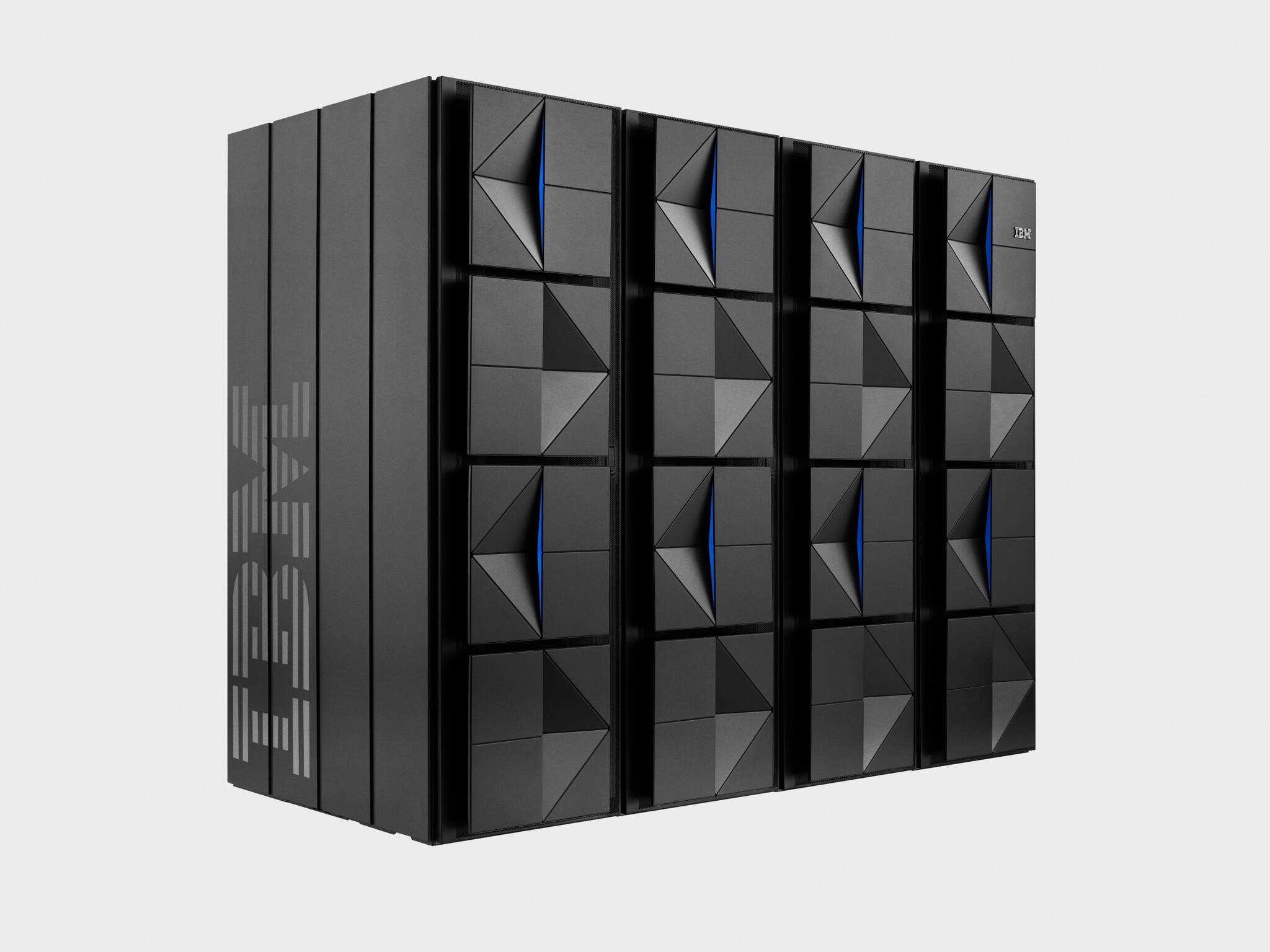
There was once a time when your IBM zSystem required a special-sized space in your data center, but starting with the IBM z14 model ZR1, they can now fit in a 19" rack space. Continuing this trend, the single-frame IBM z16 can do the same.

Configurations go up to 4 frames wide, much like the IBM z15 before it:
...and capacity
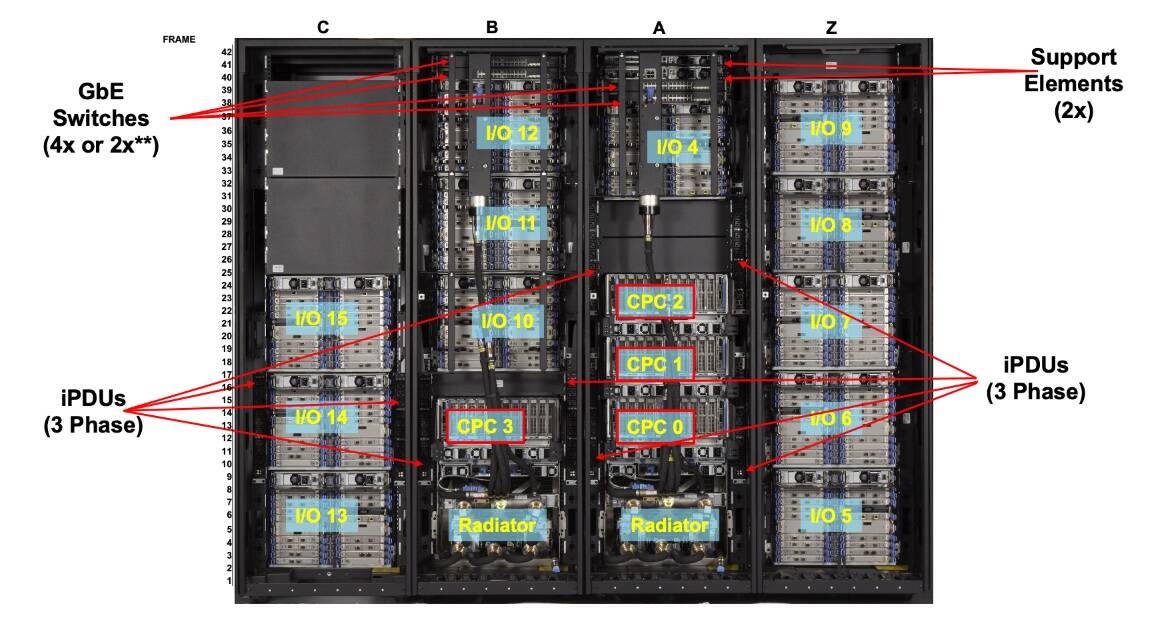
But I said I'd get inside the IBM z16! At a high level, a fully loaded 4-frame system you can have up to 12 I/O drawers in a Power Distribution Unit (PDU, for air-cooling) system and 4 Central Processor Complex (CPC) drawers. Inside that quartet of drawers, you can have up to 200 processors and 40TB of memory.
The heart of the machine is the new IBM Telum processor. Announced at HotChips in August 2021, this 7 nm microprocessor contains 8 processor cores, with a speed clocked at 5.2 GHz. Each core is supported by a redesigned 32MB private level-2 cache. According to the IBM z16 technical introduction, "processor cache structure improvements and larger cache sizes ... help with more demanding production workloads. The result is 1.5x cache capacity per core compared to IBM z15."
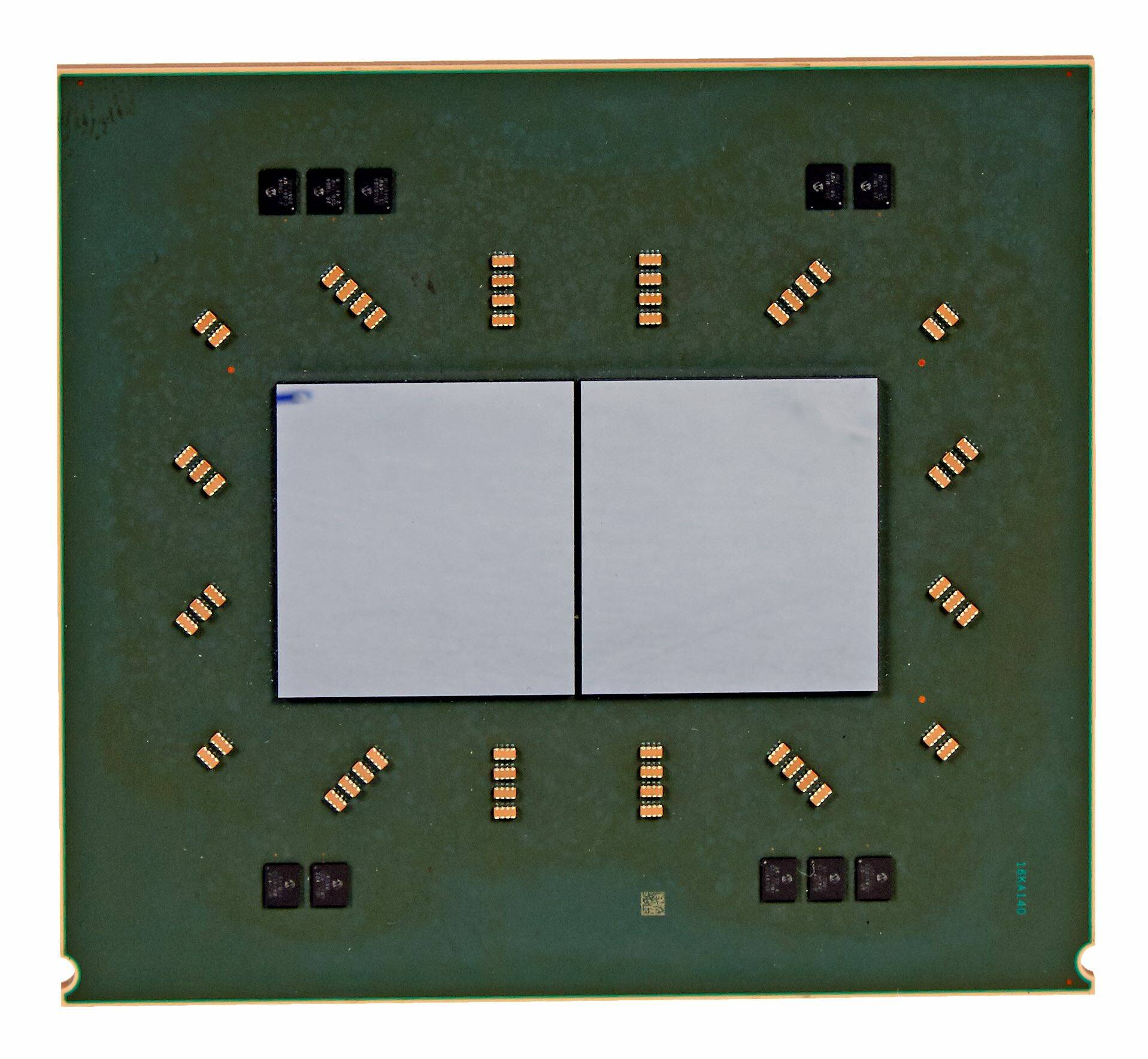
Additionally, the IBM Telum processor has an AI Accelerator. With a focus on "high-speed, real-time inferencing at scale," the IBM z16 Technical Guide also explains: "The integrated AI accelerator delivers more than 6 TFLOPs per chip and over 200 TFLOPs in the 32-chip system." As an open source enthusiast, my thoughts immediately go to how the open source AI and machine learning communities can leverage this -- and indeed, work is already being done to use the Open Neural Network Exchange (ONNX) Models on IBM zSystems, which you can read about in the blog post "Leveraging ONNX Models on IBM Z and LinuxONE."
These processors reside with the processors in the aforementioned CPC drawers, which is also where the memory lives.
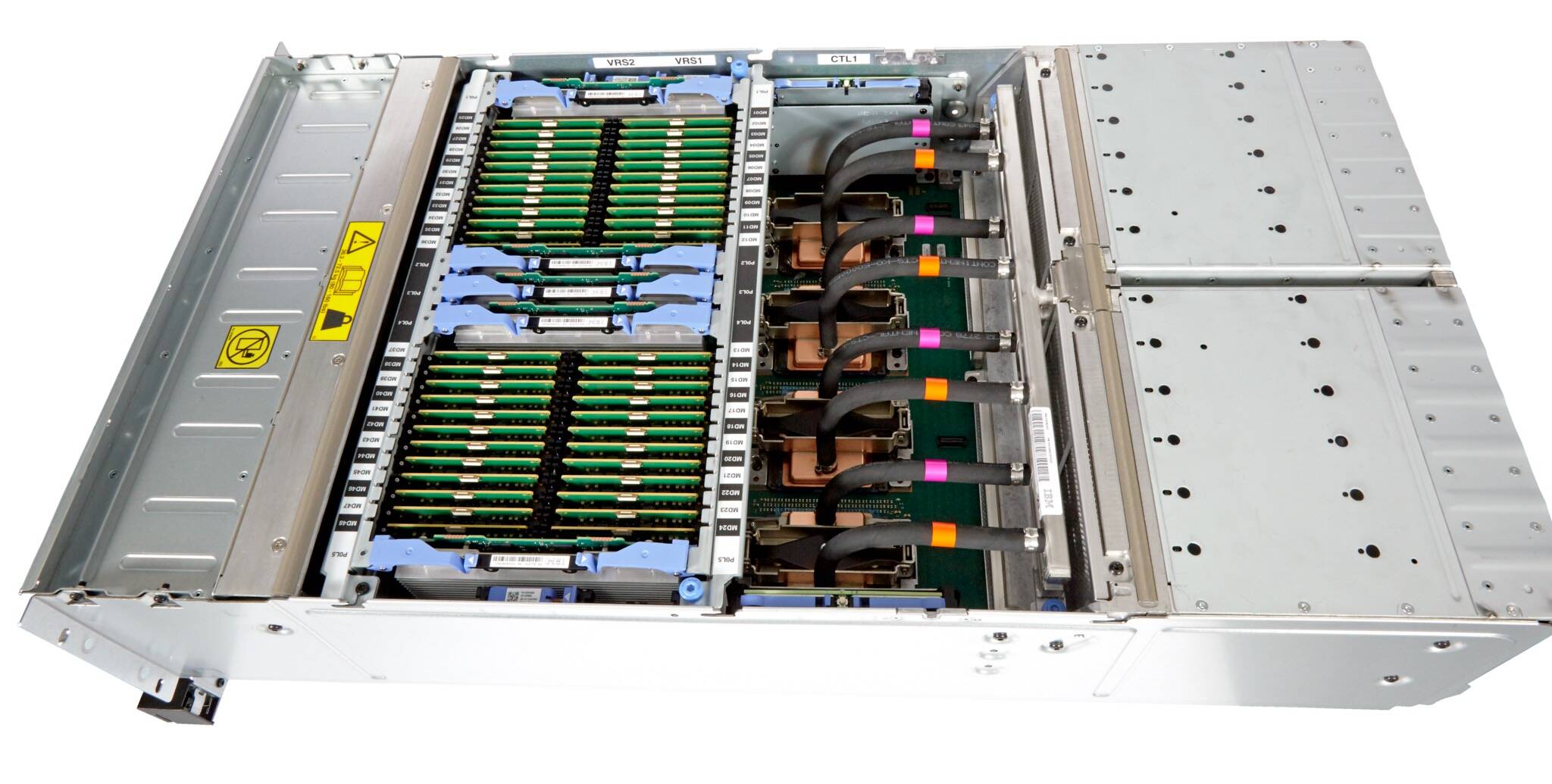
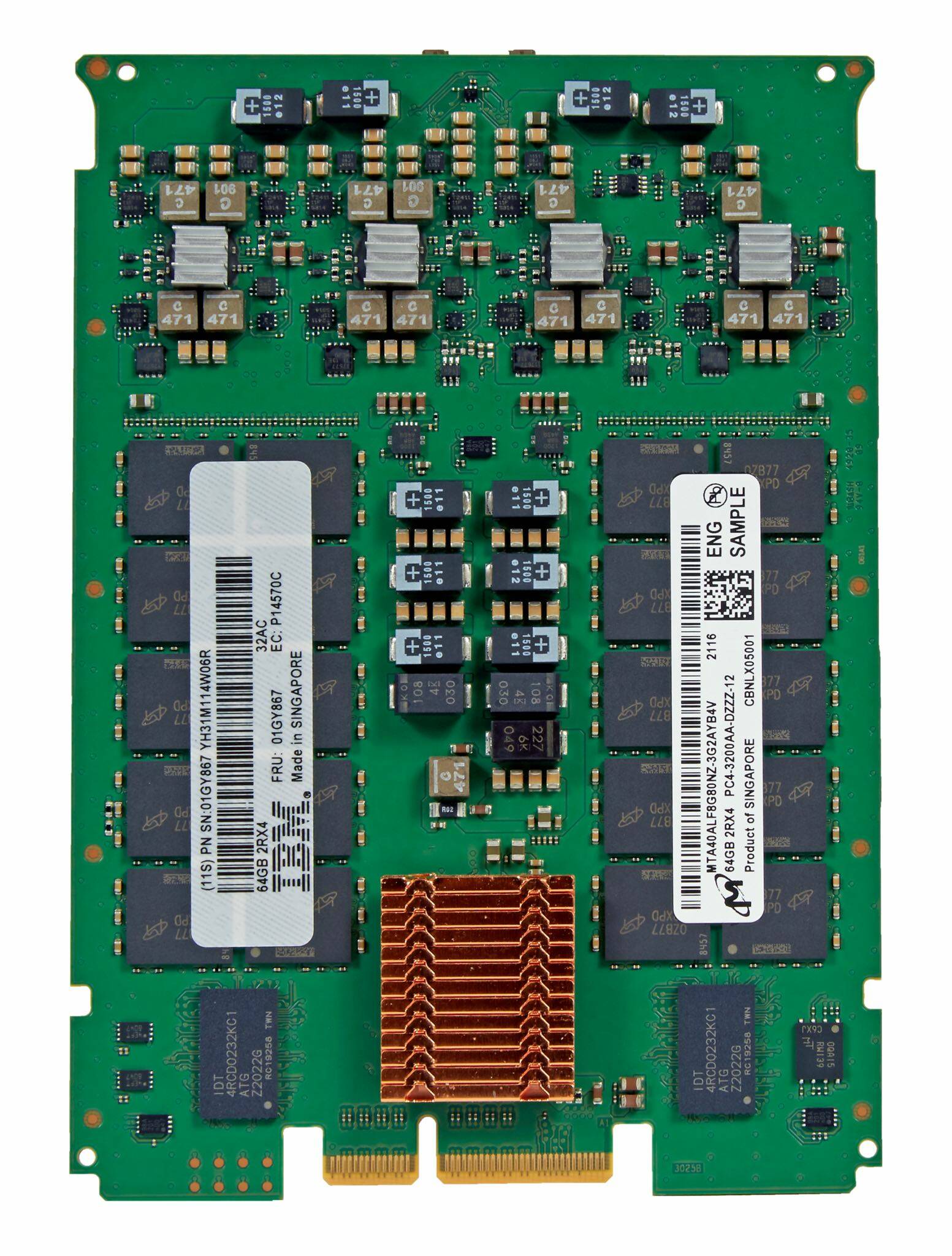
The dual inline memory modules (DIMMs) were actually discussed in a recent Linus Tech Tips video, "I Tried to Break a Million Dollar Computer." It's 24 minutes well spent if you're interested in hardware. Up to 10TB of memory can be plugged into each CPC drawer, and if you've been keeping track, that adds up to the 40TB maximum configuration across the four CPC drawers.
Quantum-ready
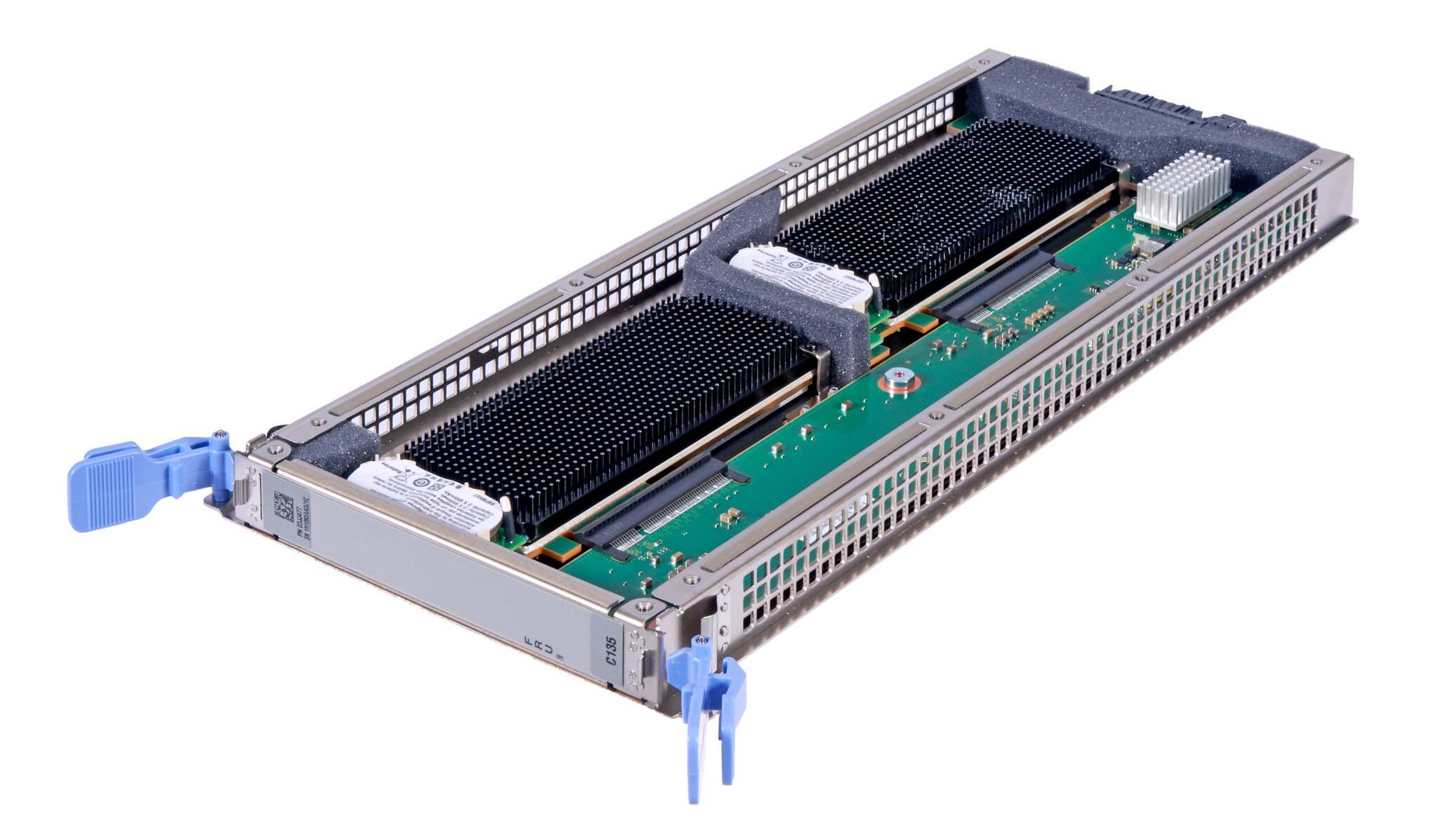
There is also a new Crypto Express adapter, the Crypto Express8S. The big news here is a focus on "quantum-safe" cryptography. Companies, organizations, and U.S. government agencies like the National Institute of Standards and Technology (NIST) are working on standards around quantum-resistant technologies as quantum computers are rapidly becoming a reality. The IBM z16, with the help of hardware like the Crypto Express8S, helps support these stronger, more quantum-resistant and quantum-safe key lengths and algorithms, and tools like ADDI can help detect weaker keys and algorithms on your system so they can be addressed.
Summary
This post provides just a glimpse at the highlights of the IBM z16, with a focus on what is familiar to most technologists. If you want a deeper look into these features, or are already familiar with IBM zSystems and want to know more, I recommend reading the IBM z16 Redbooks (specifically the IBM z16 Technical Introduction) and the more detailed IBM z16 Technical Guide.